
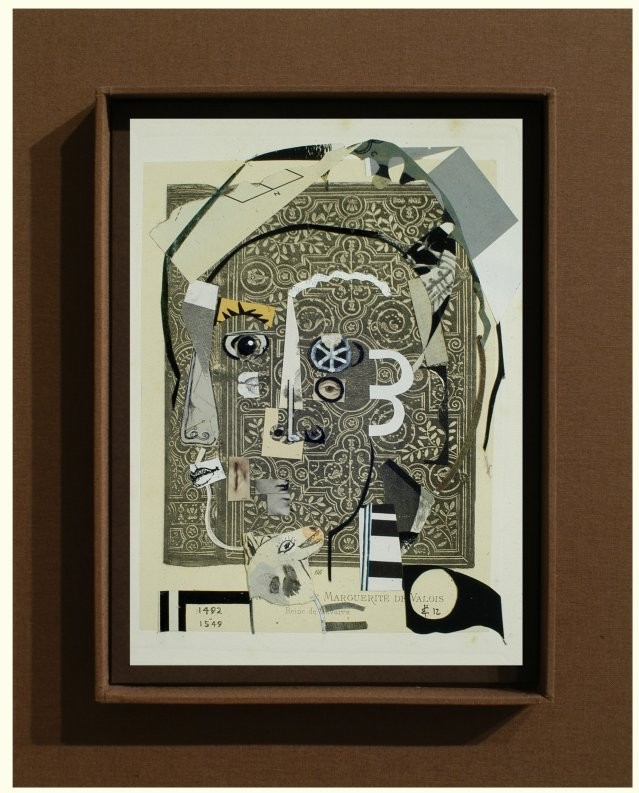
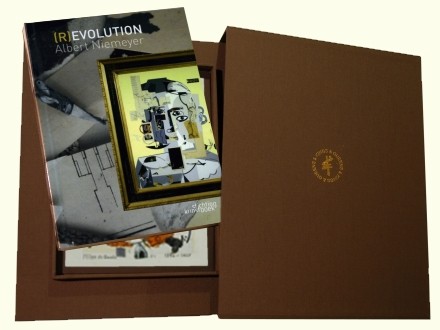
Special editio n of the book with an original work in a limited edition of fifty-five.
Theme KINGS & QUEENS
(period 15th to 19th century)
These are 55 unique works about persons of noble origin who were born and raised in isolation. Many are connected by marriage to the De’ Medici patrician family, which spread throughout Europe 

 Speciale uitgave van het boek met een origineel werk in een oplage van 55 unieke exemplaren.
Thema KINGS & QUEENS
(periode 15e tot 19e eeuw)
Het zijn werken over personen van adellijke origine die in isolement zijn geboren en opgevoed.
More to come
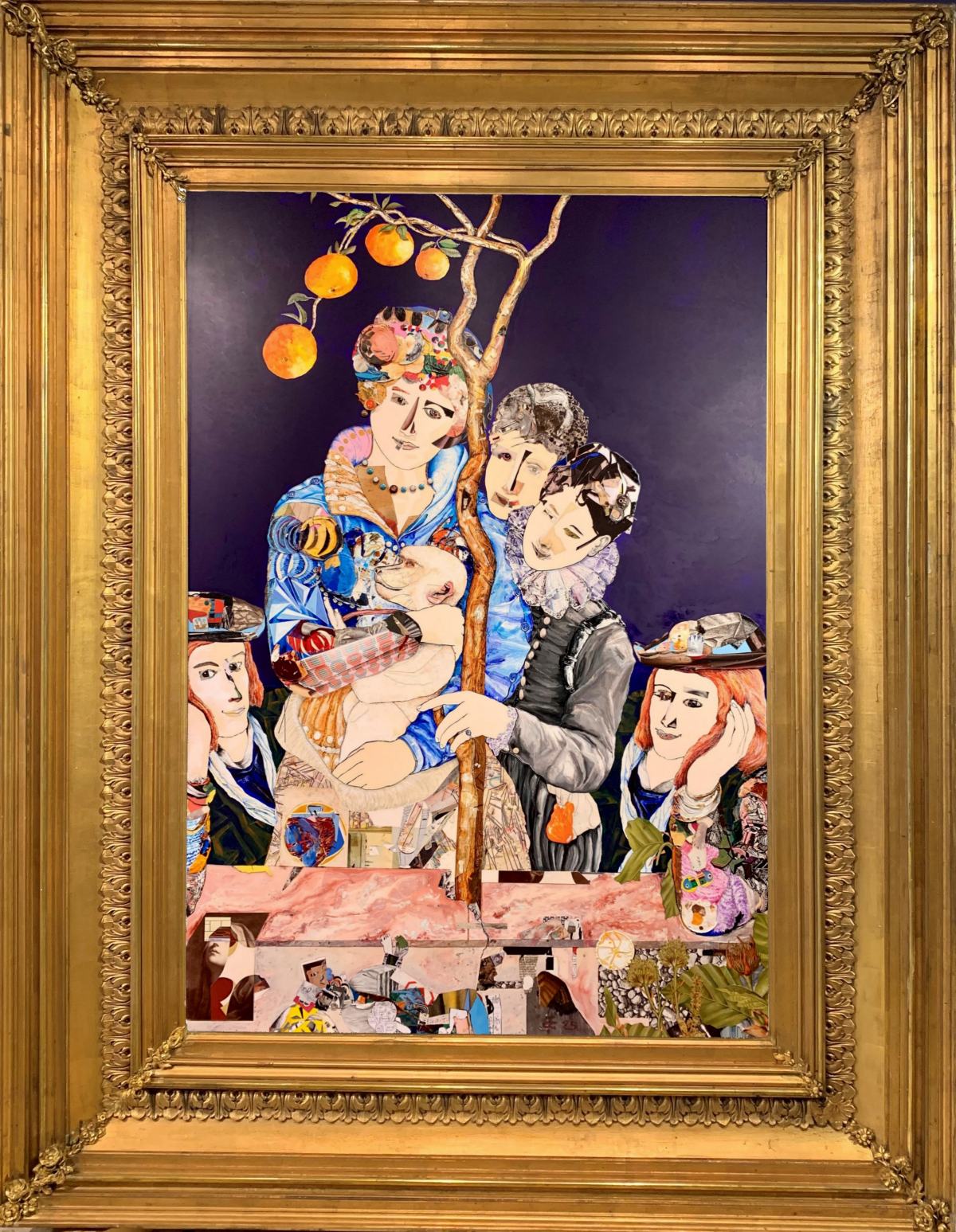

 “The making of a Fairytale” by William Shakespeare (2026)
Afmetingen: 72 cm breed, 86 cm hoog en 9,6 cm diep
De lijst is samengesteld uit twee vergulde lijsten uit het begin van de 19e eeuw
Ik heb dit werk gemaakt vanuit het gevoel van een positief wereldbeeld. In mijn werk wil ik de mooie kanten van het leven laten zien. Dat is voor mij een hele belangrijke inspiratie.
In dit schilderij heb ik Shakespeare weergegeven, zittend in zijn mooie romantische Engelse landschap in zijn befaamde Shakespeare-kleding.
Het sprookje om hem heen met een zwaan op zijn schouder met parelmoeren tinten en met rechts voor de toeschouwer een achtergrond van een Japanse tuin in zijn fantasie met een heerlijk warm zonnebeeld.
De vele details en materialen die ik gebruik en de speelsheid en brutaliteit waarmee ik hiermee omga, maken onderdeel uit van het verhaal en maken het werk levend. Ook materialen die er eigenlijk niet in thuis horen gaan zich thuis voelen en voegen zich gaandeweg het proces bij ontstaan van het schilderij.
 “The making of a Fairytale” by William Shakespeare (2026)
Dimensions: 72 cm wide, 86 cm high, and 9.6 cm deep
The frame is composed of two gilded frames from the early 19th century
I created this work based on a positive worldview. In my work, I want to showcase the beautiful aspects of life. That is a very important source of inspiration for me.
In this painting, I’ve depicted Shakespeare sitting in his beautiful, romantic English landscape, wearing his famous Shakespearean attire.
The fairy-tale atmosphere surrounding him features a swan on his shoulder with pearlescent hues, and to the viewer’s right, a background of a Japanese garden from his imagination, bathed in a wonderfully warm, sunlit glow.
The many details and materials I use, along with the playfulness and boldness with which I handle them, are part of the story and bring the work to life. Even materials that don’t really belong there come to feel at home and gradually join the painting as it takes shape.


“Twins in Time” (2026)
Geïnspireerd op de gedachtewereld van William Shakespeare
Afmetingen: 46,5 cm x 53,5 cm
Lijst verguld begin 19e eeuw
Het spiegelbeeld is een thema dat William Shakespeare regelmatig heeft gebruikt in zijn stukken. Zijn gedachtewereld springt over van het heden naar het verleden en vice versa.
“Twins in Time” (2026)
Inspired by the world of ideas of William Shakespeare
Dimensions: 46.5 cm x 53.5 cm
Gilded frame from the early 19th century
The mirror image/reflection is a theme that William Shakespeare frequently used in his plays. His world of ideas shifts back and forth between the present and the past.
“Comedy of Errors” (2025)
Een vroege komedie van William Shakespeare.
Hij schreef het omstreeks 1592-1594.
Het vertelt het verhaal van twee tweelingen die veel te maken krijgen met een identiteitsverwisseling, wat voor verwarring zorgt bij henzelf en anderen.
Lijst: 188 cm breed en 242 cm hoog
Paneel: 123.5 breed en 176.5 hoog
An early comedy by William Shakespeare.
He wrote it around 1592-1594.
It tells the story of two twins who have to deal with an identity swap, which causes confusion for themselves and others.
Frame: 188 cm wide and 242 cm high
Panel: 123.5 wide and 176.5 high
“Hamlet, Prince of Denmark” by William Shakespeare
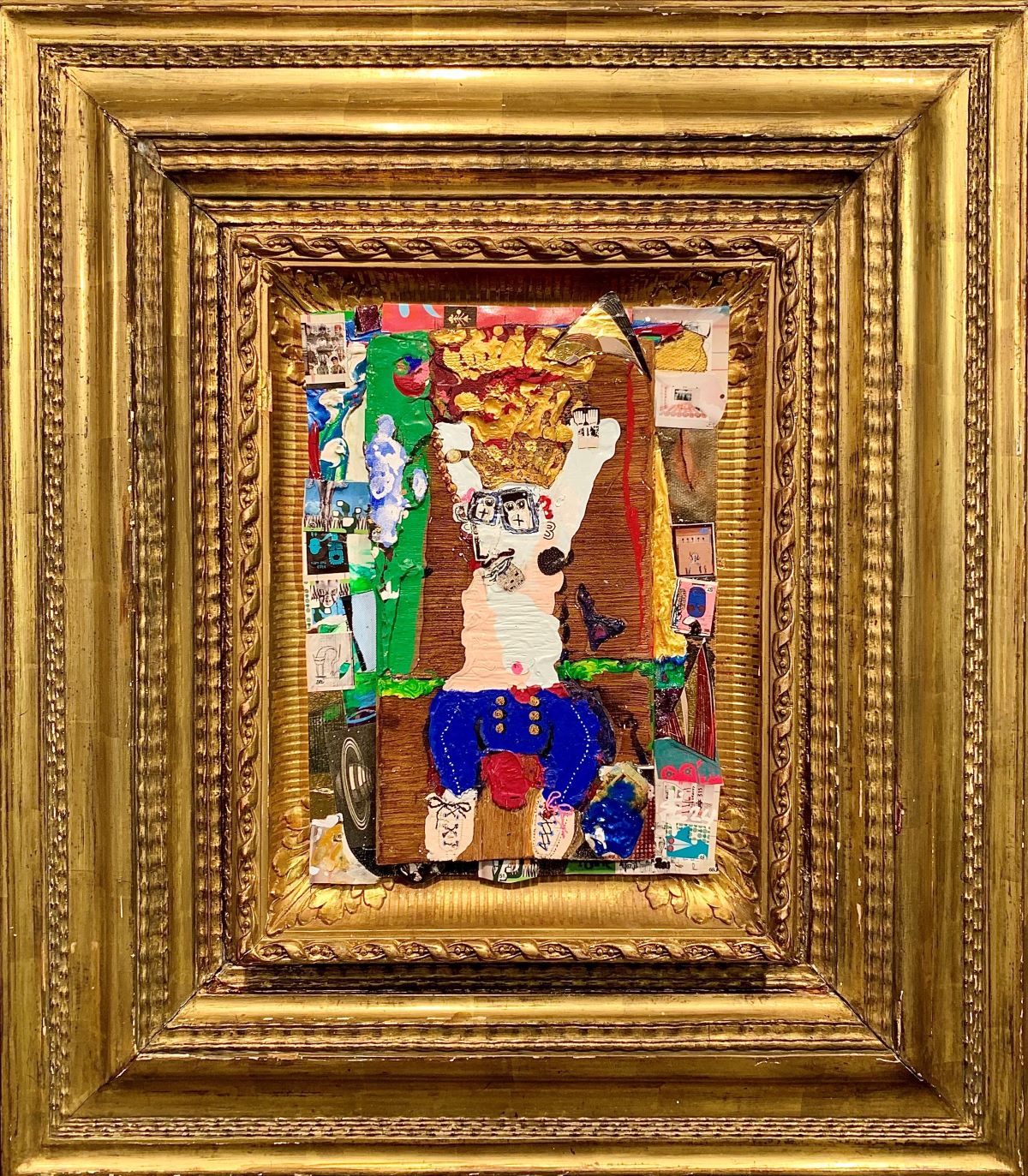
Romeo and Julia
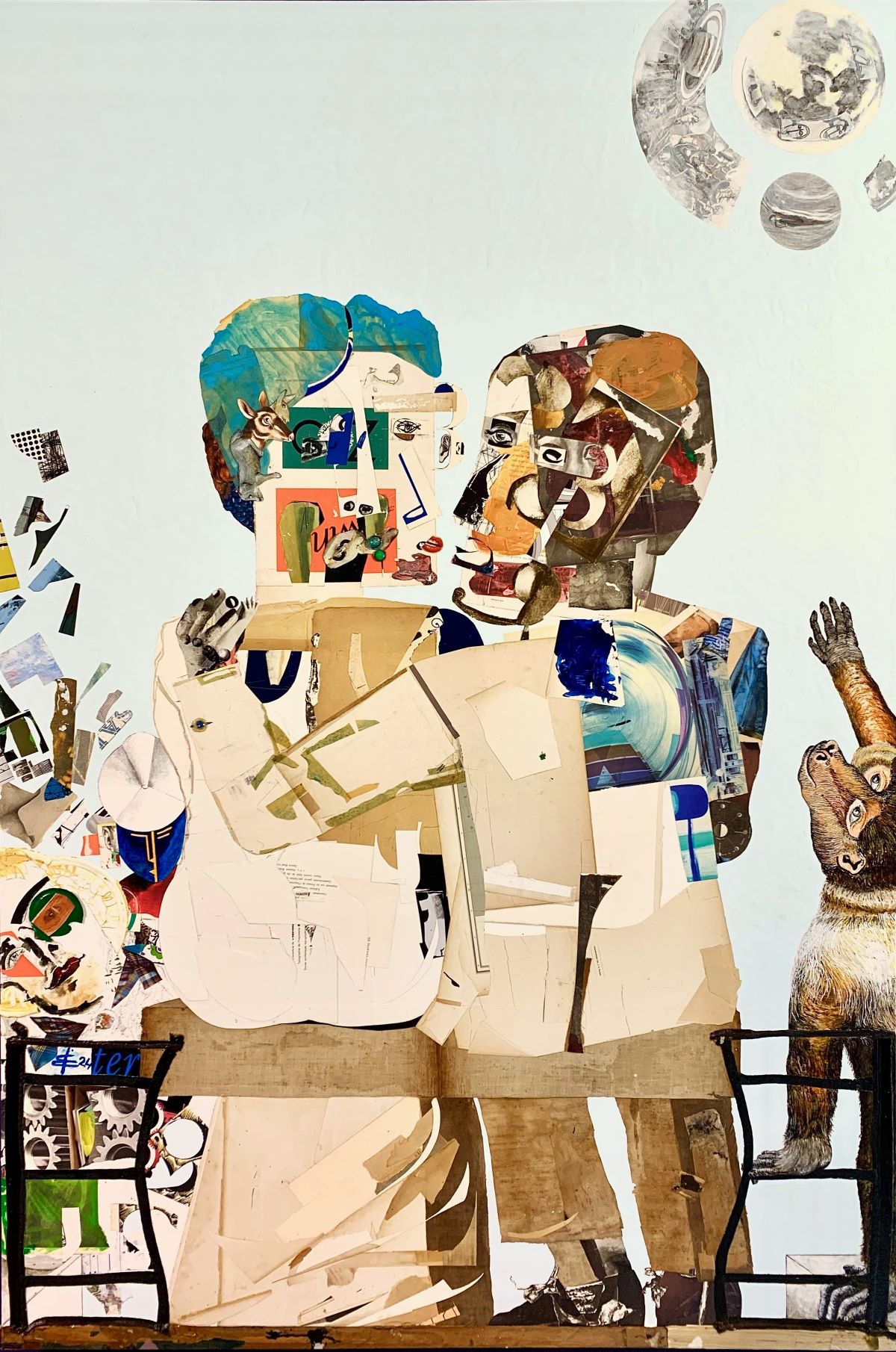
KING LEAR
KING LEAR
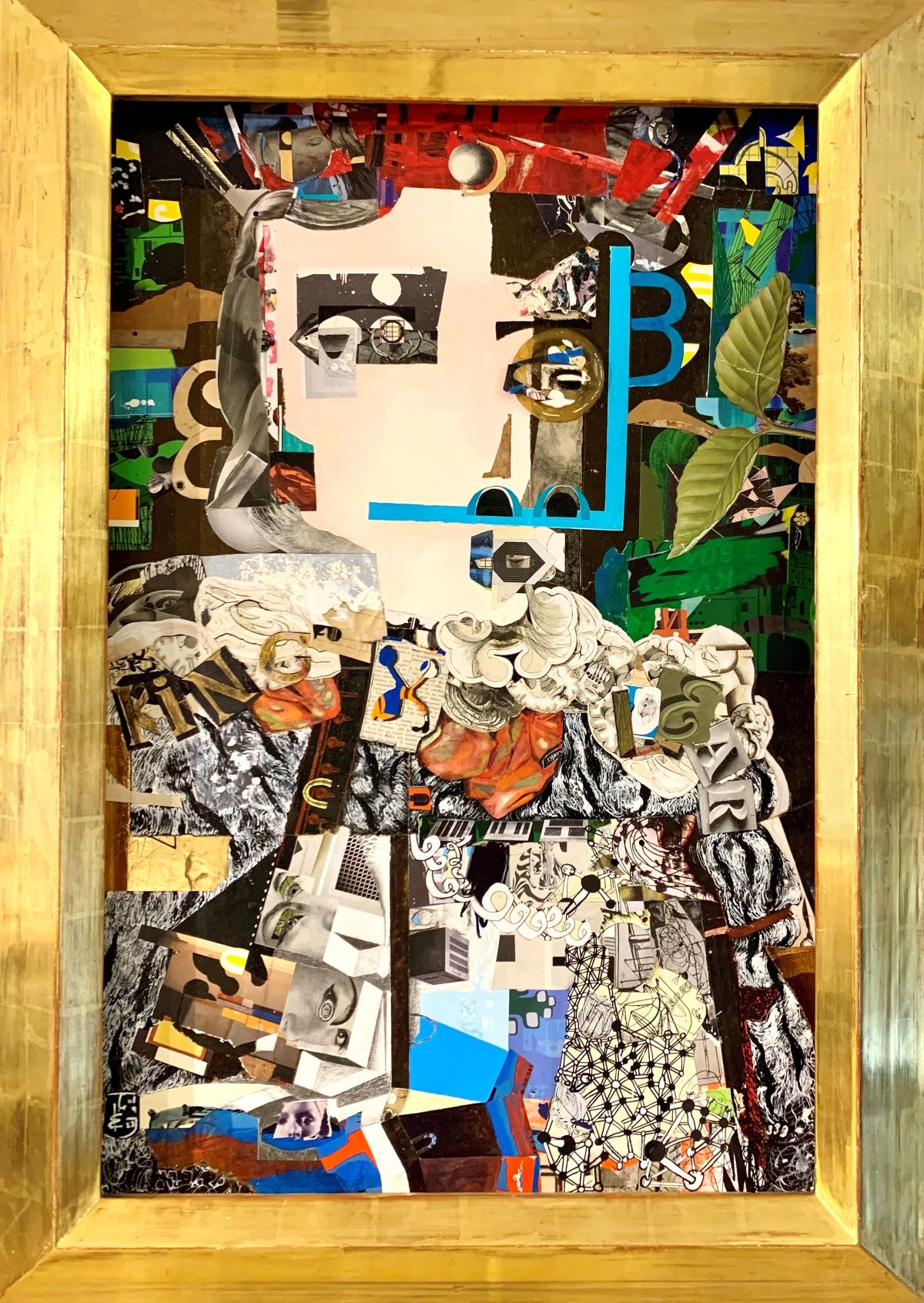
HISTORY HIDDEN IN TIME
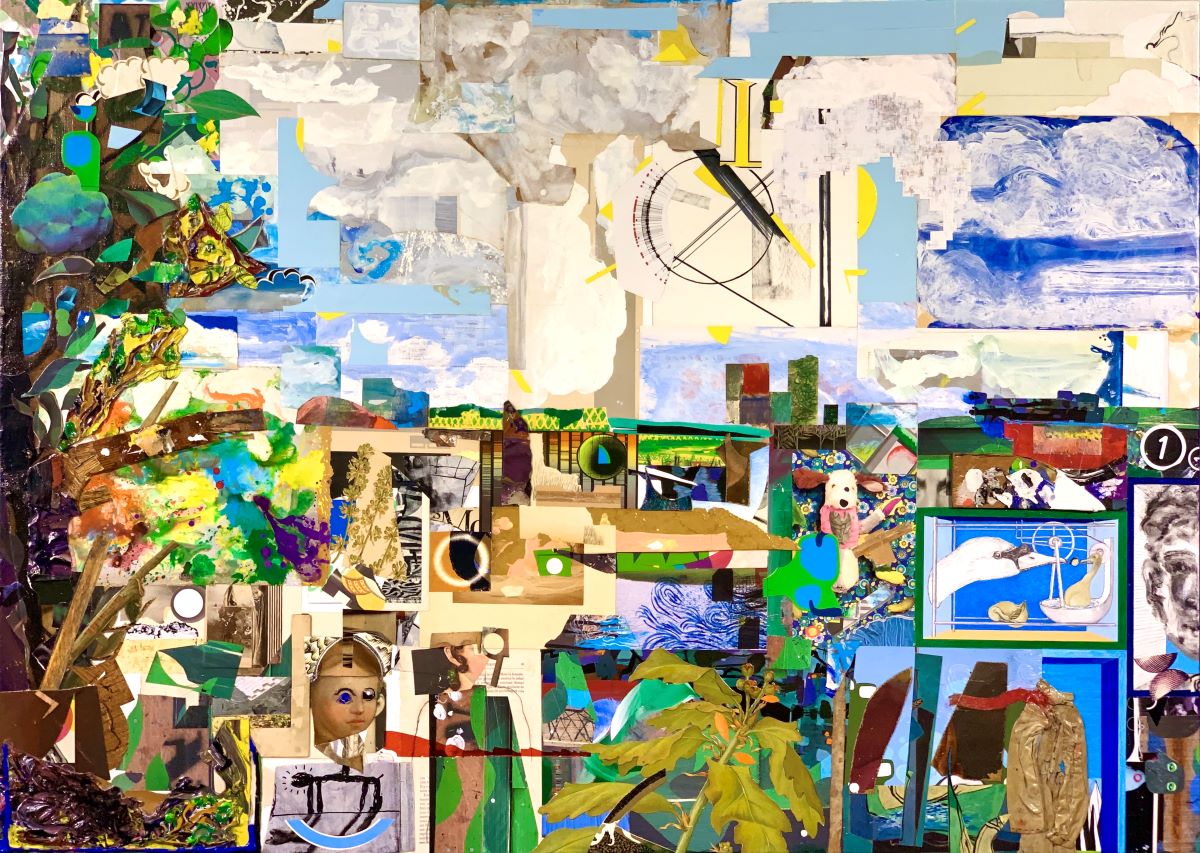
Friedrich Nietzsche
1844-1900
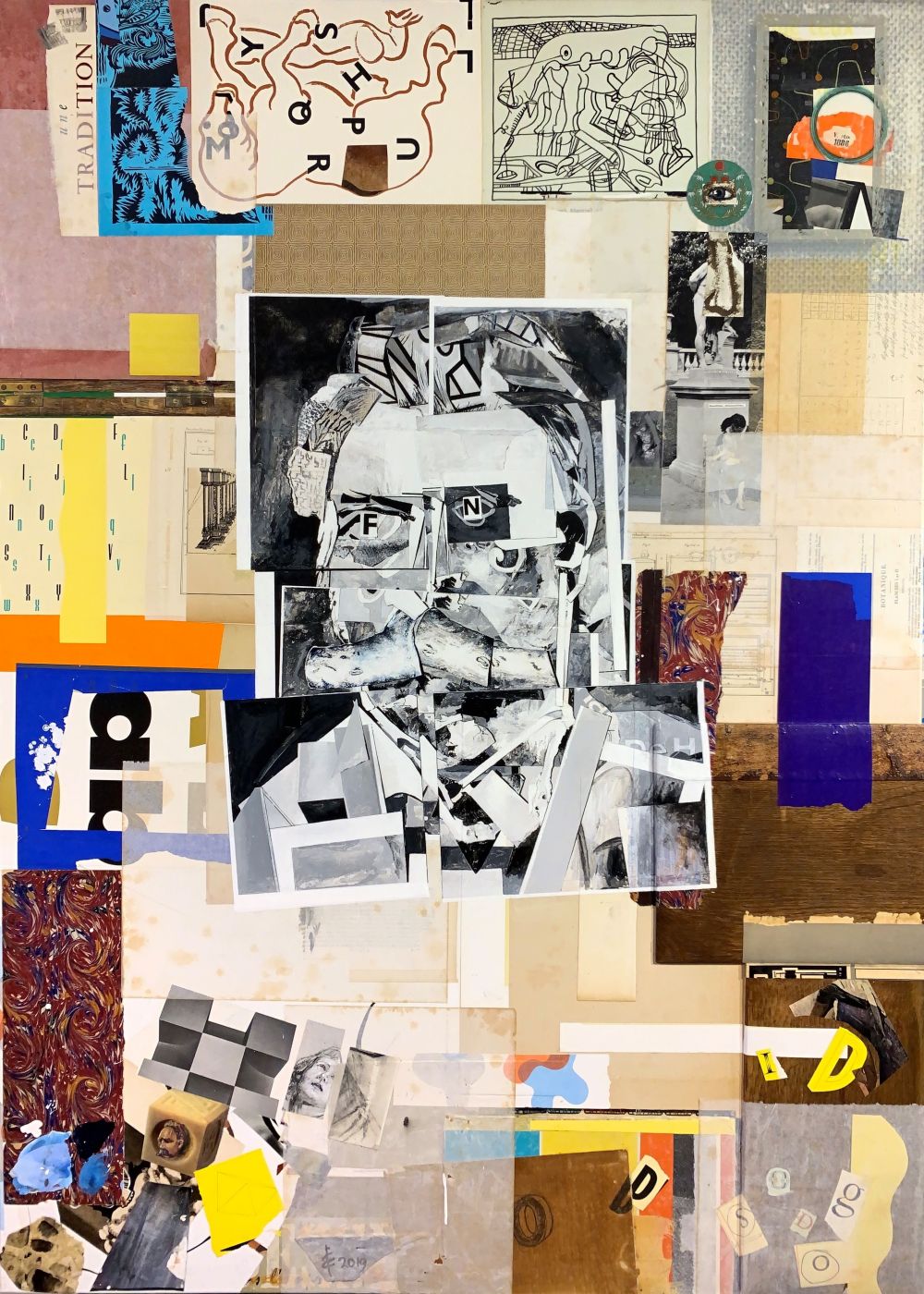
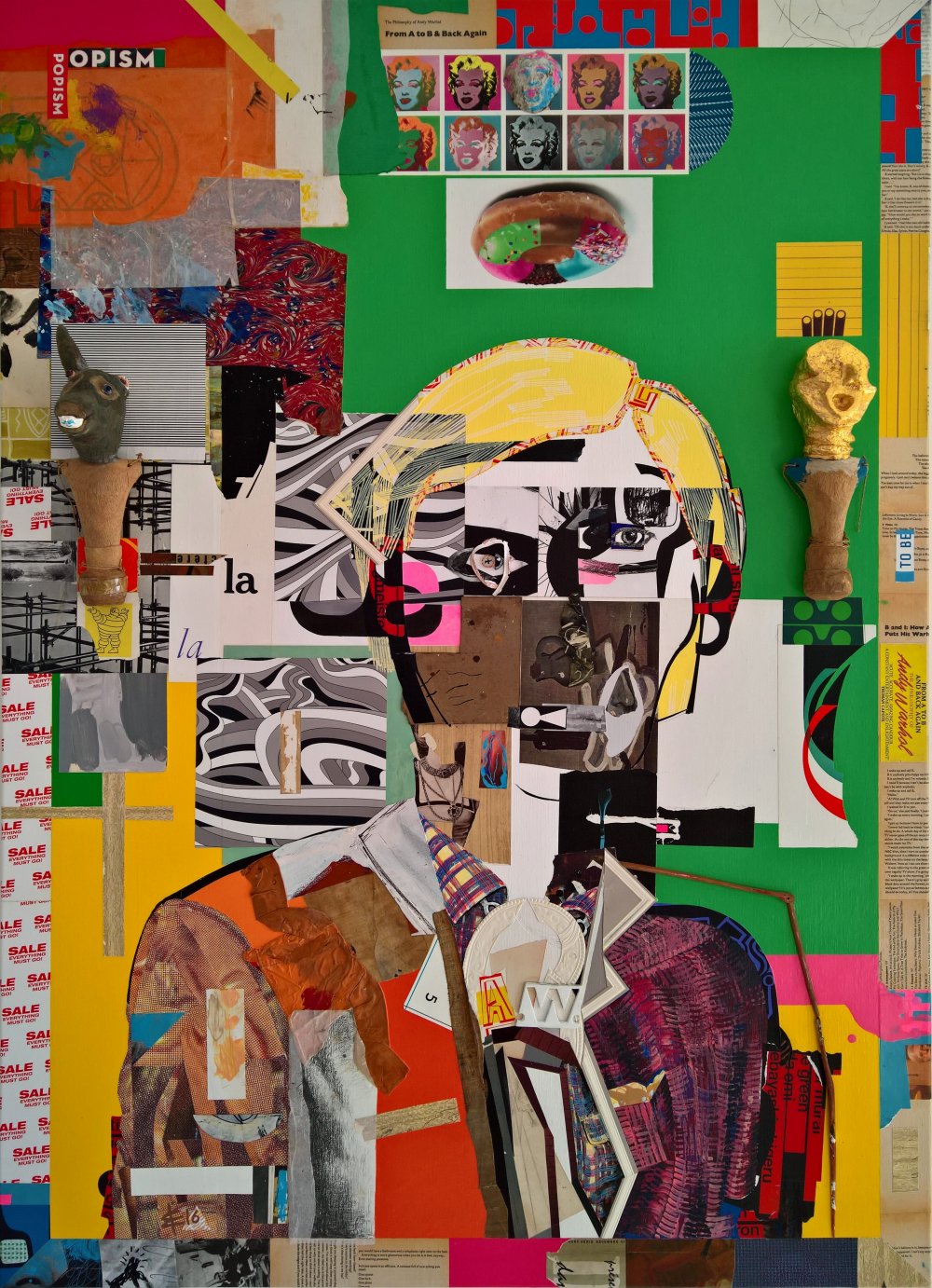
Andy Warhol
1928-1987
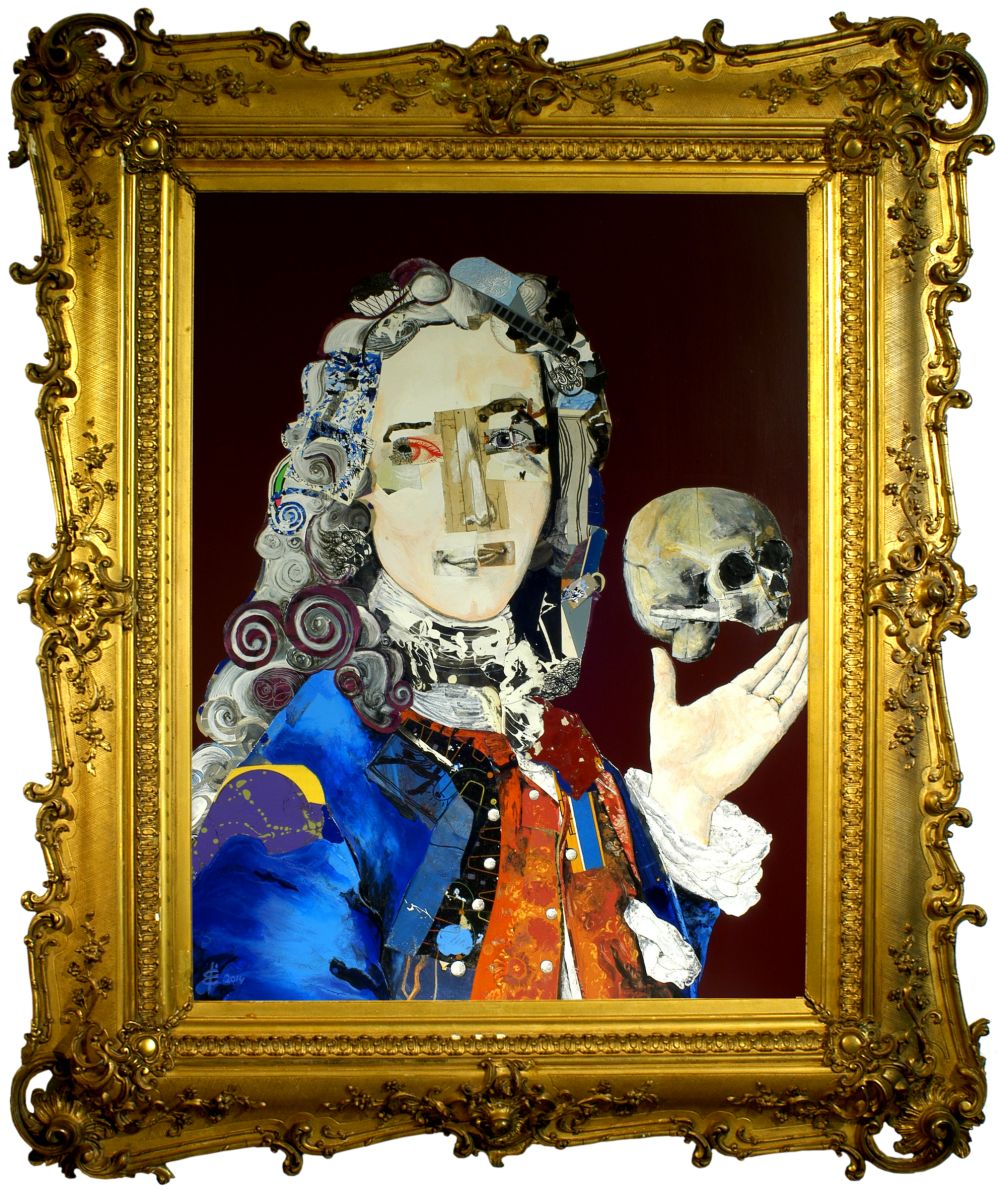
Voltaire
1694-1778
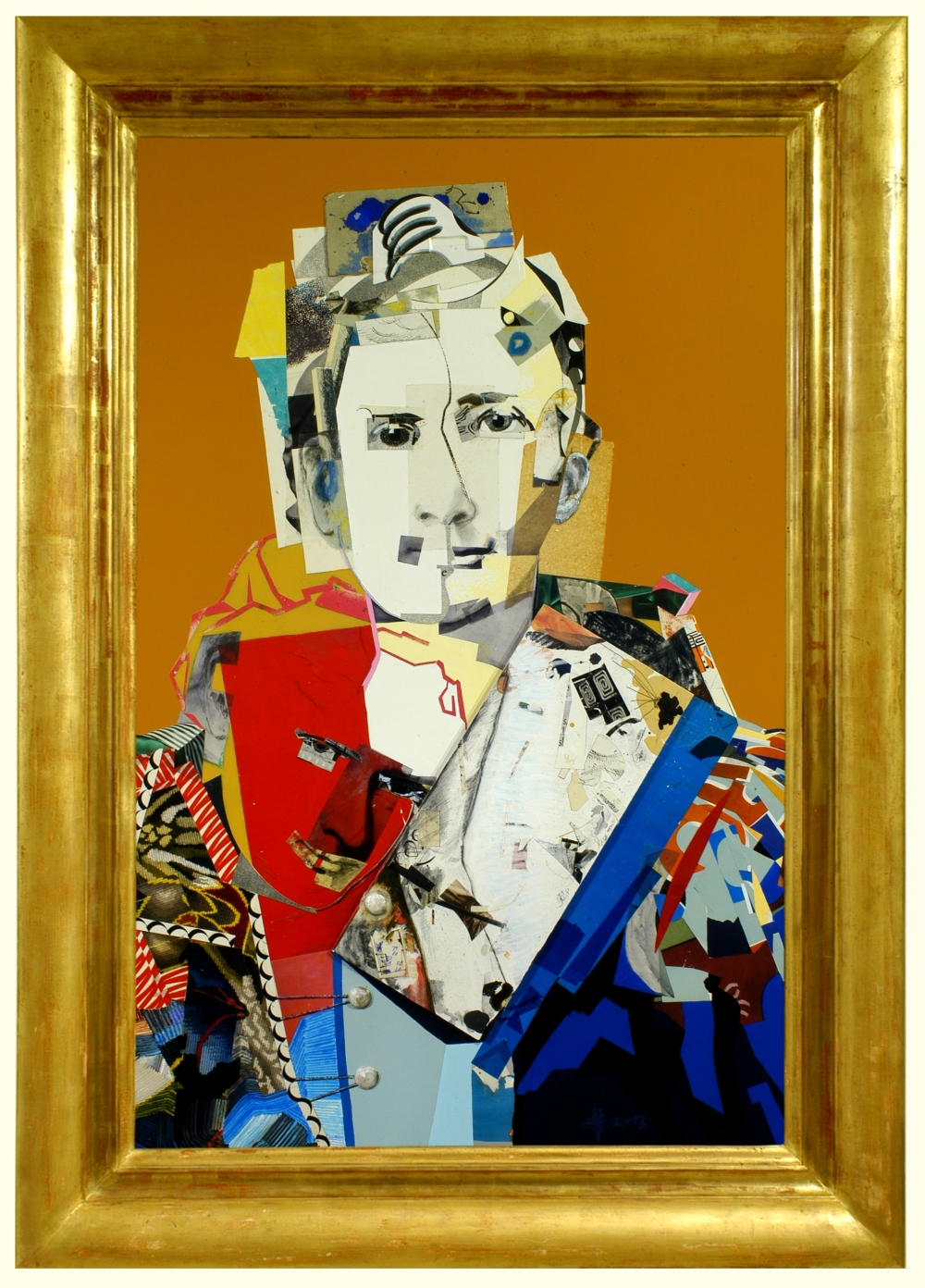
Marie Curie
1867-1934
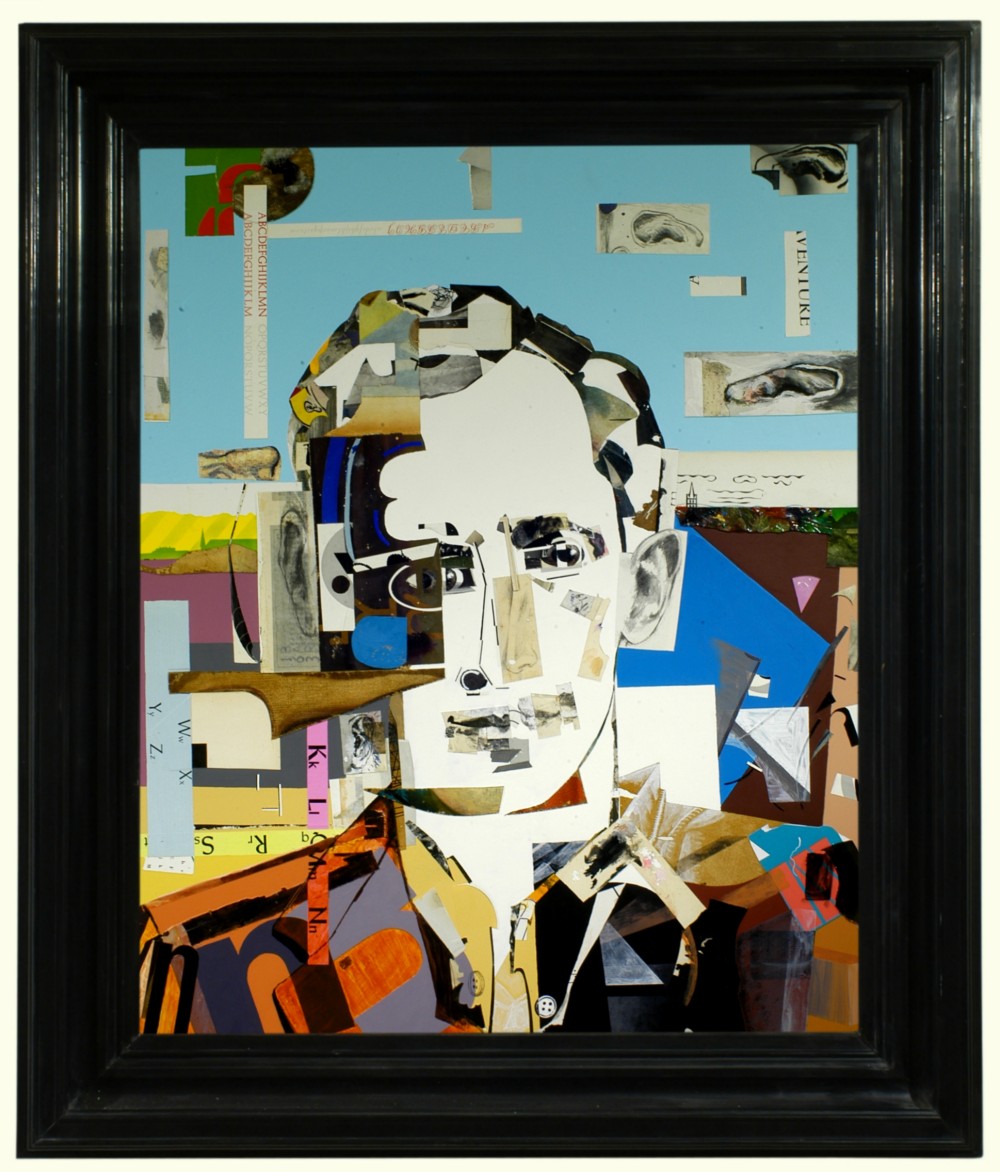
Ludwig Wittgenstein
1889-1951
Peer Gynt
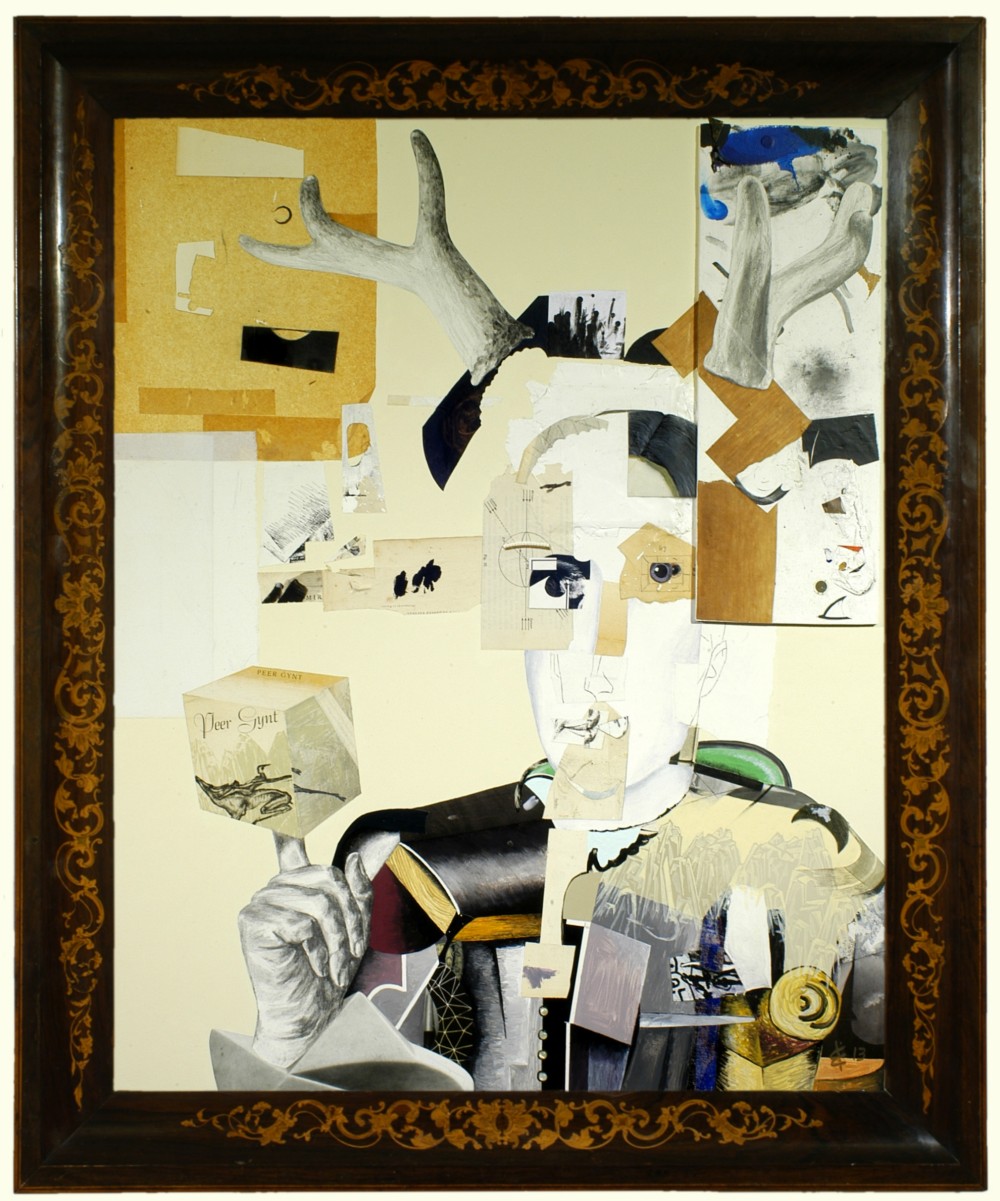
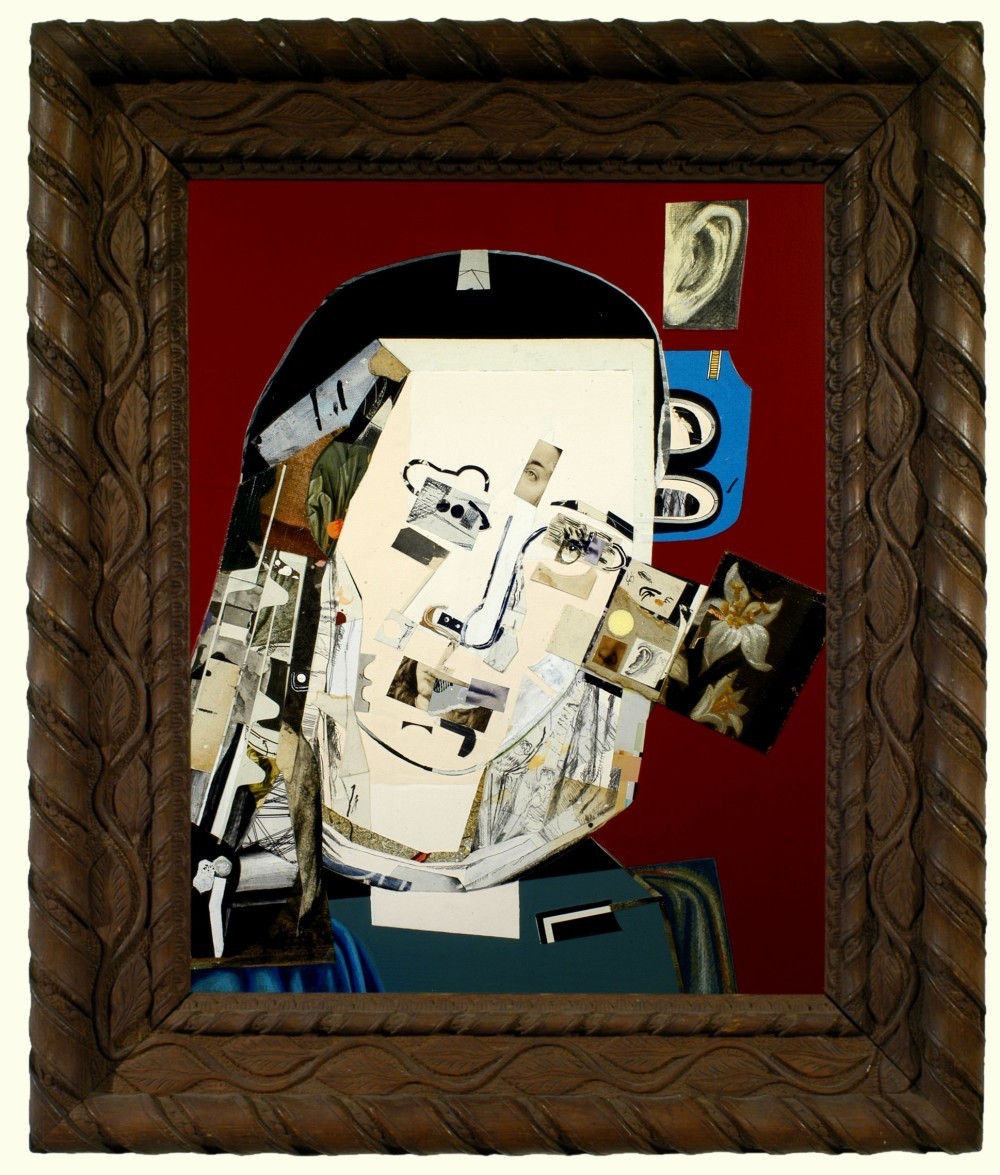
Hildegard von Bingen
1098-1179
Maria Margarethe Winkelmann
1670–1720 en
Gottfried Kirch
1639–1710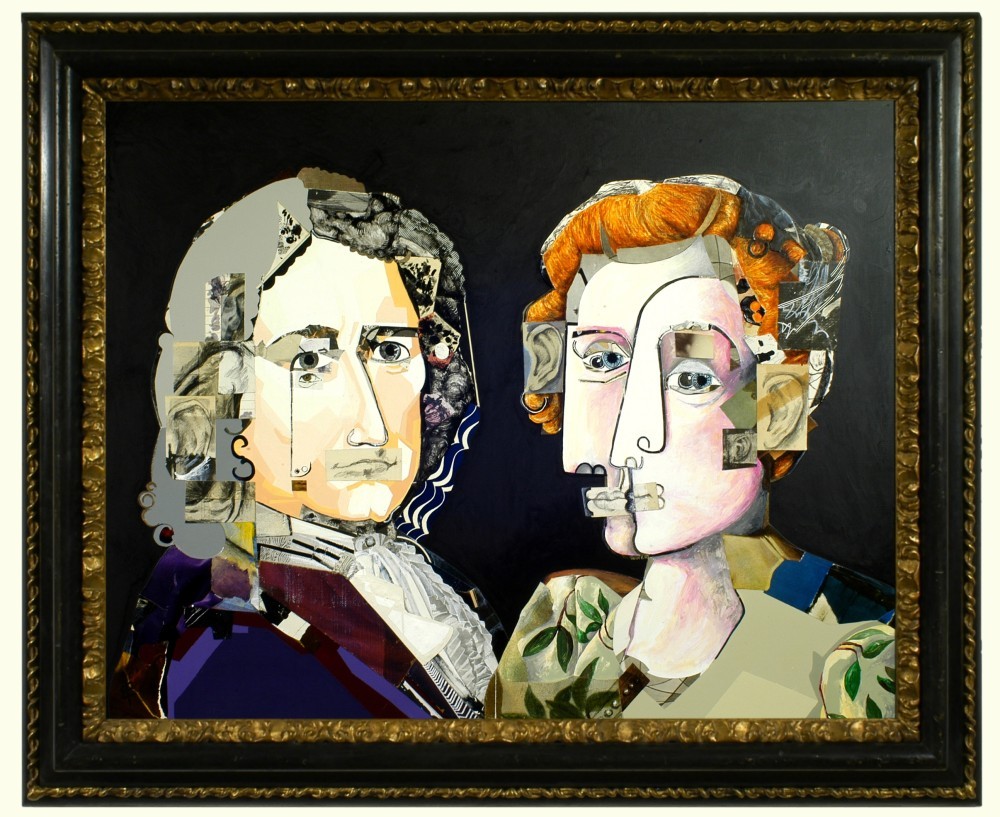
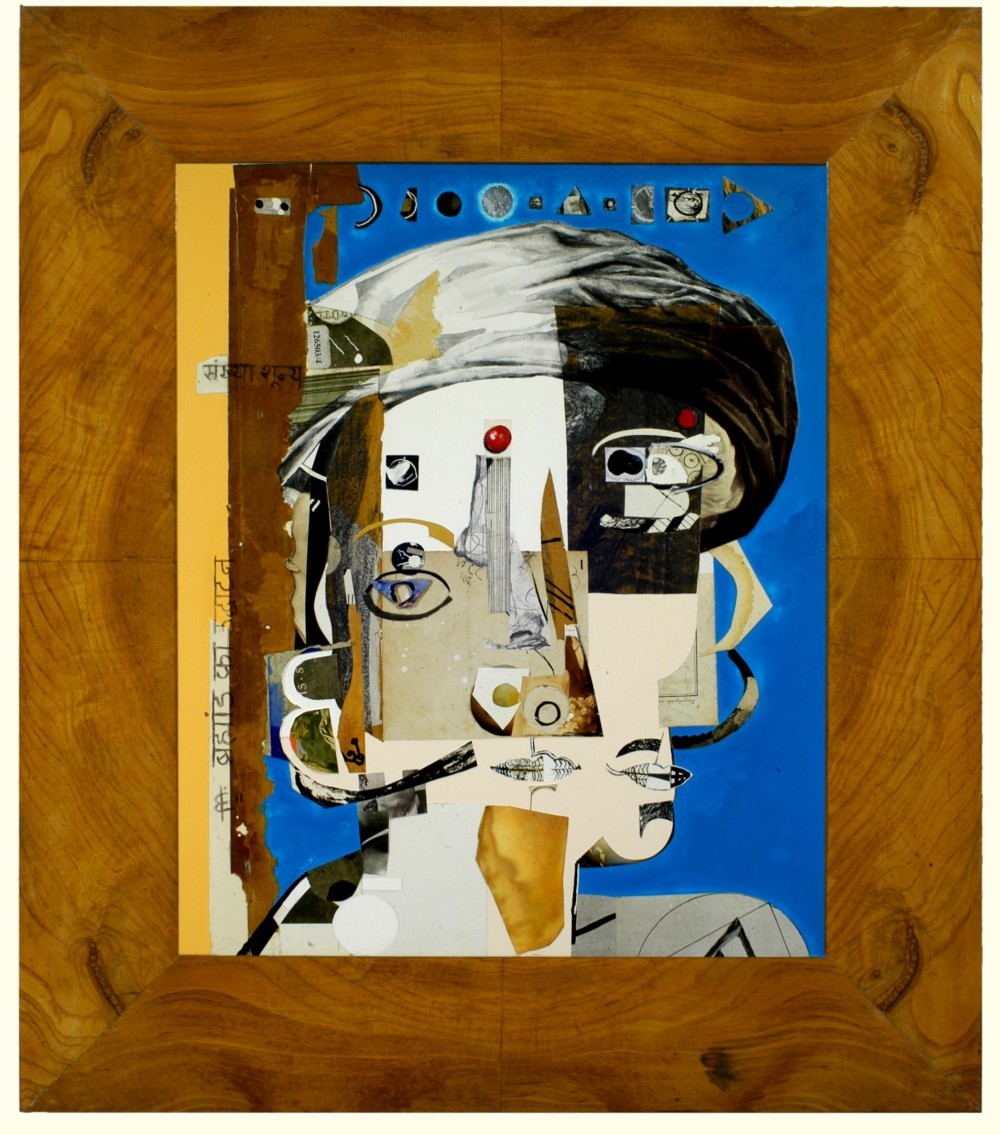
Brahmagupta
598–668
Henrietta Swan Leavitt
1868–1921
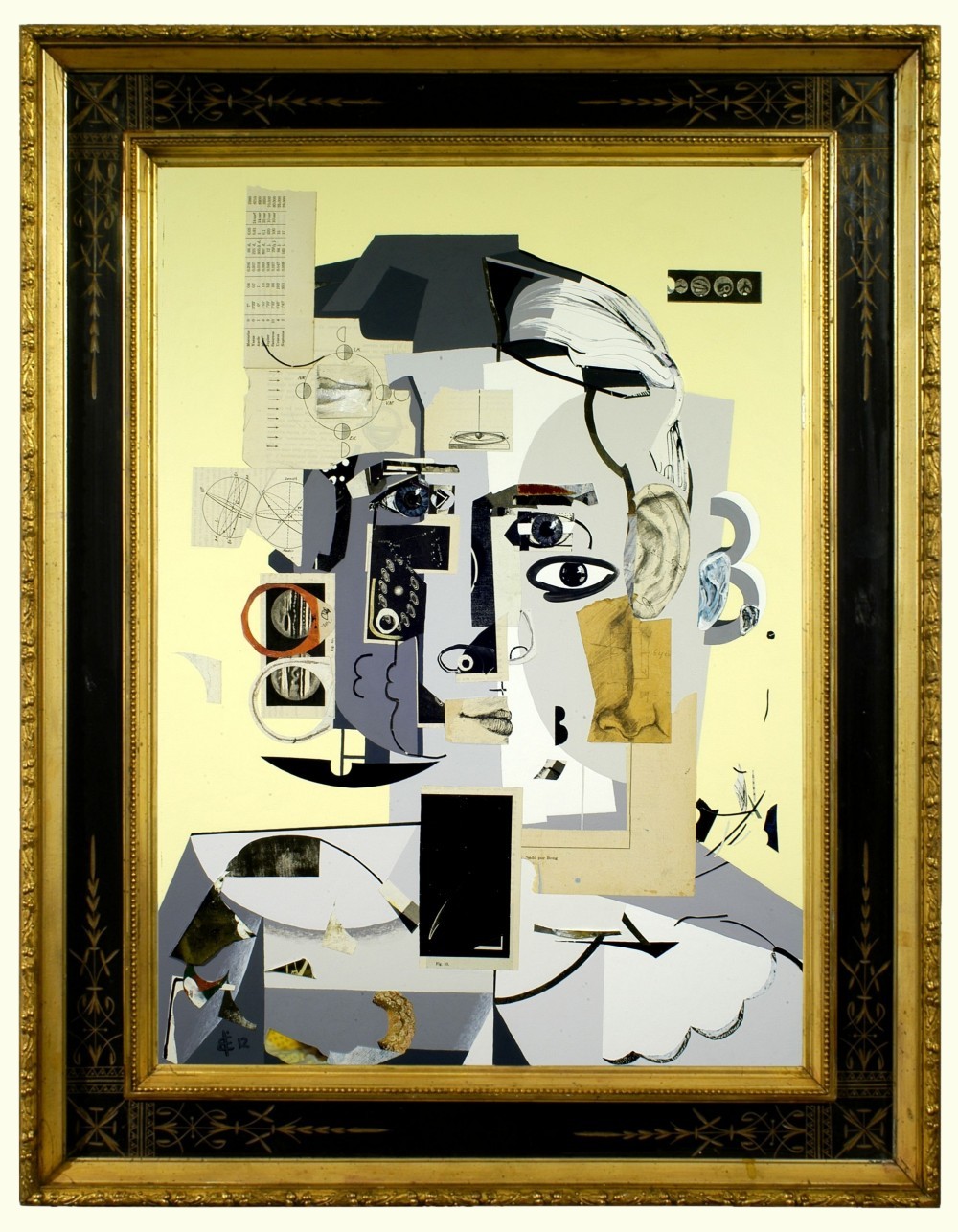
Franz Kafka
1883 – 1924
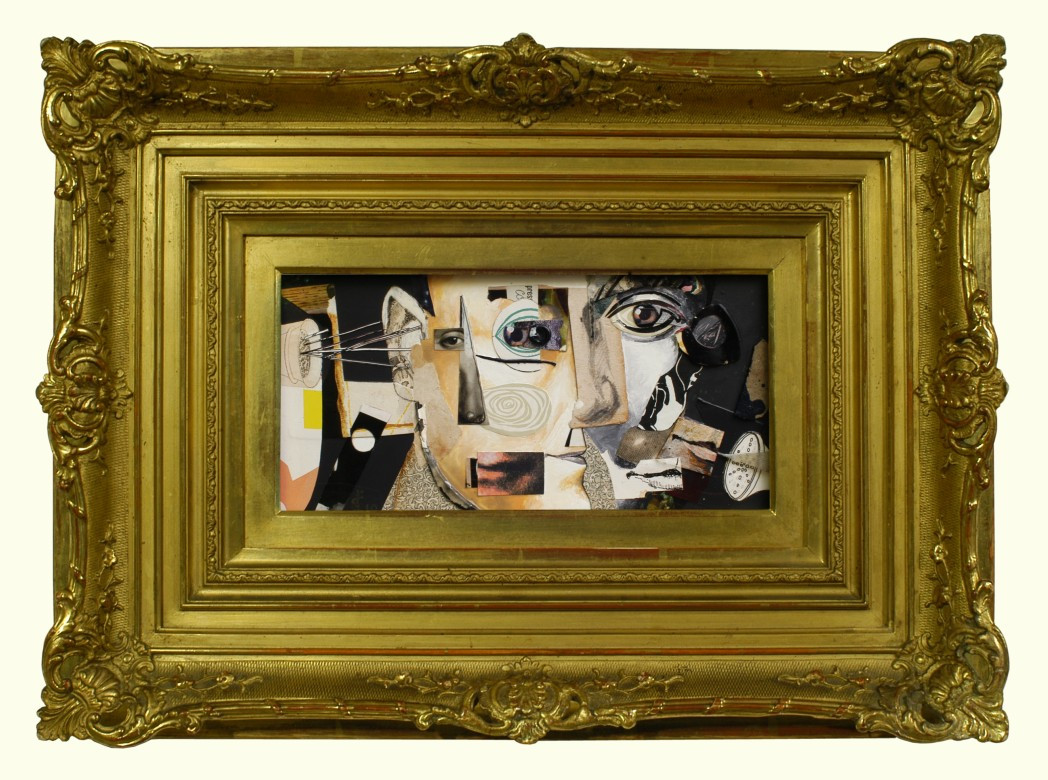
Sarah Bernhardt
“Ma double vie”
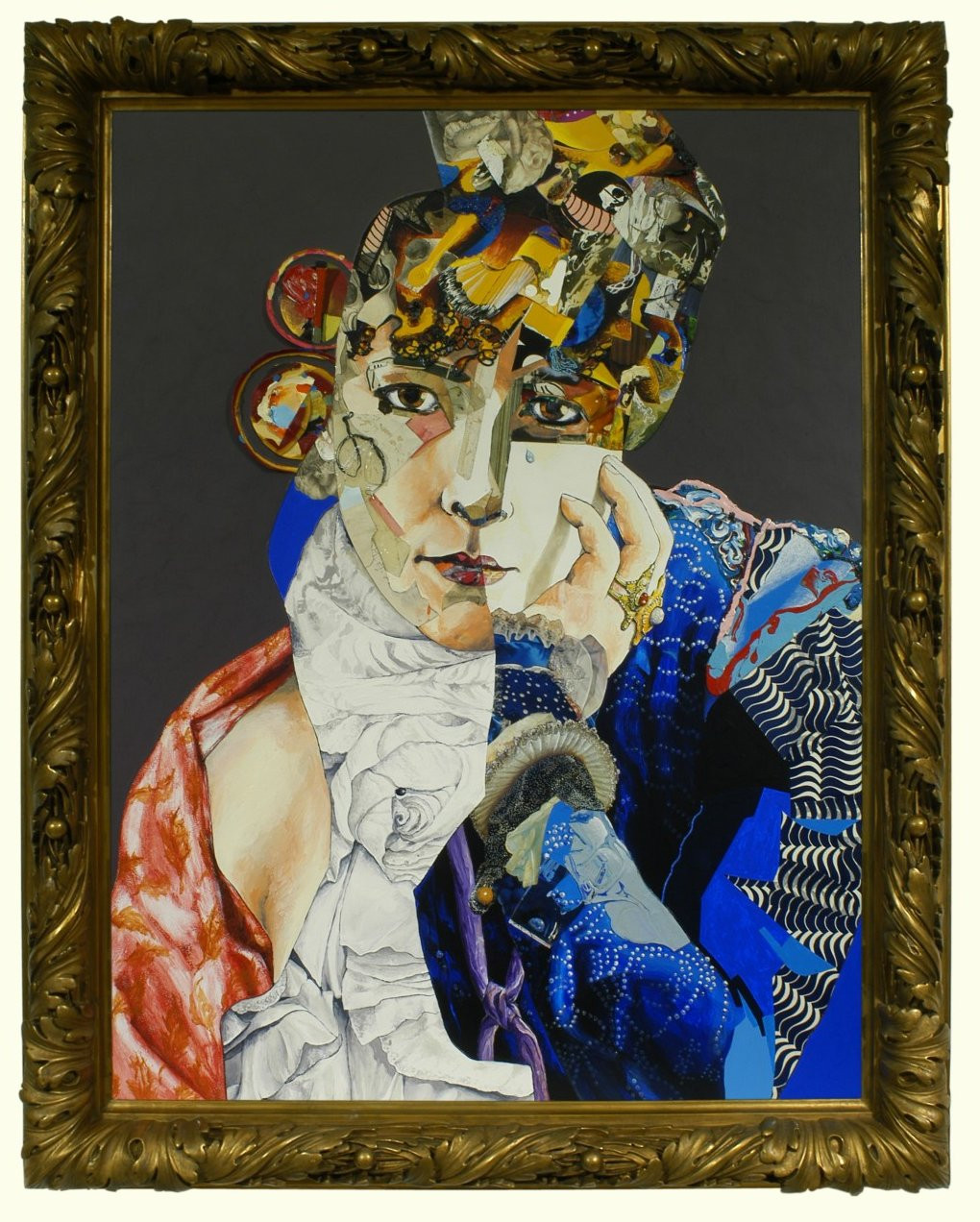
Revolutionaire persoonlijkheden
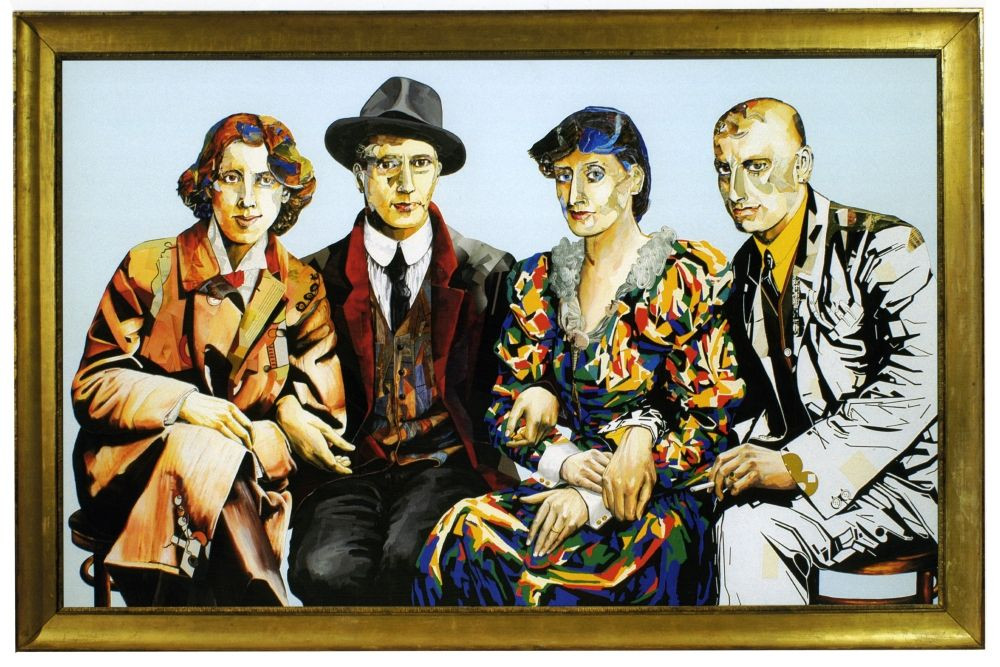
Scat
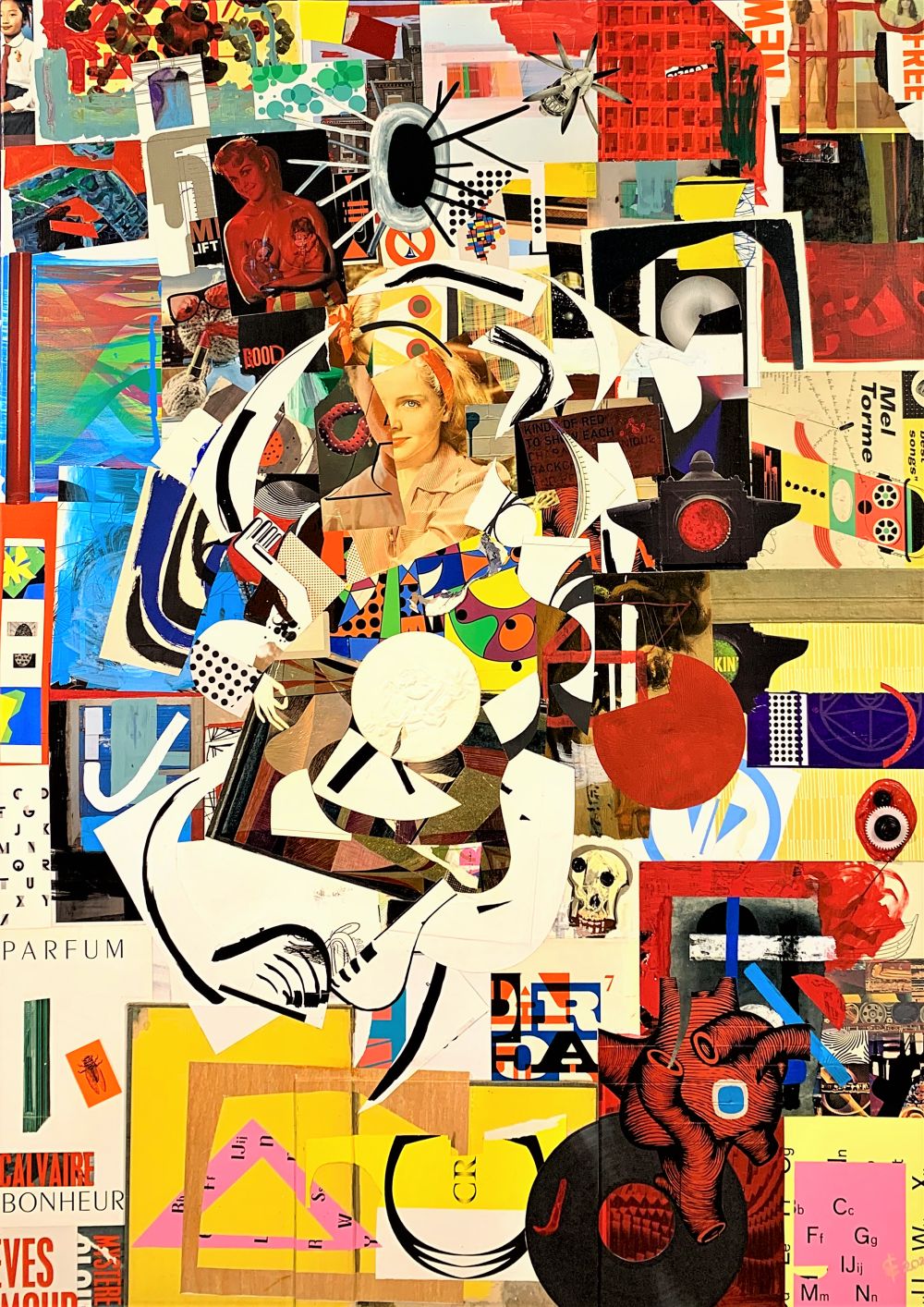
Andy Warhol
1928-1987
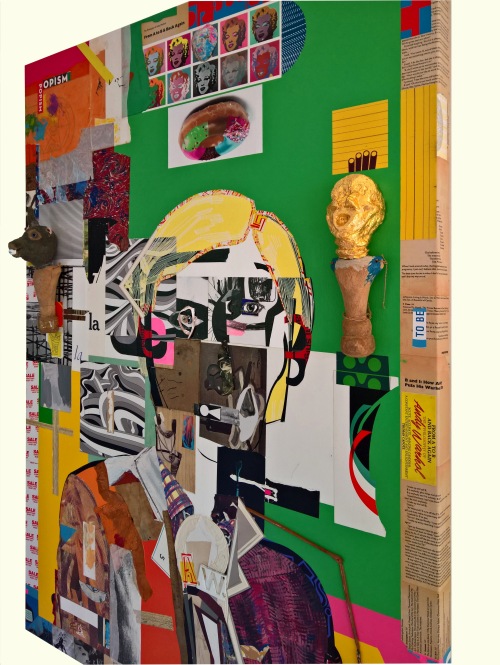
Ludwig Wittgenstein,
het labyrint van zijn denken in beeld
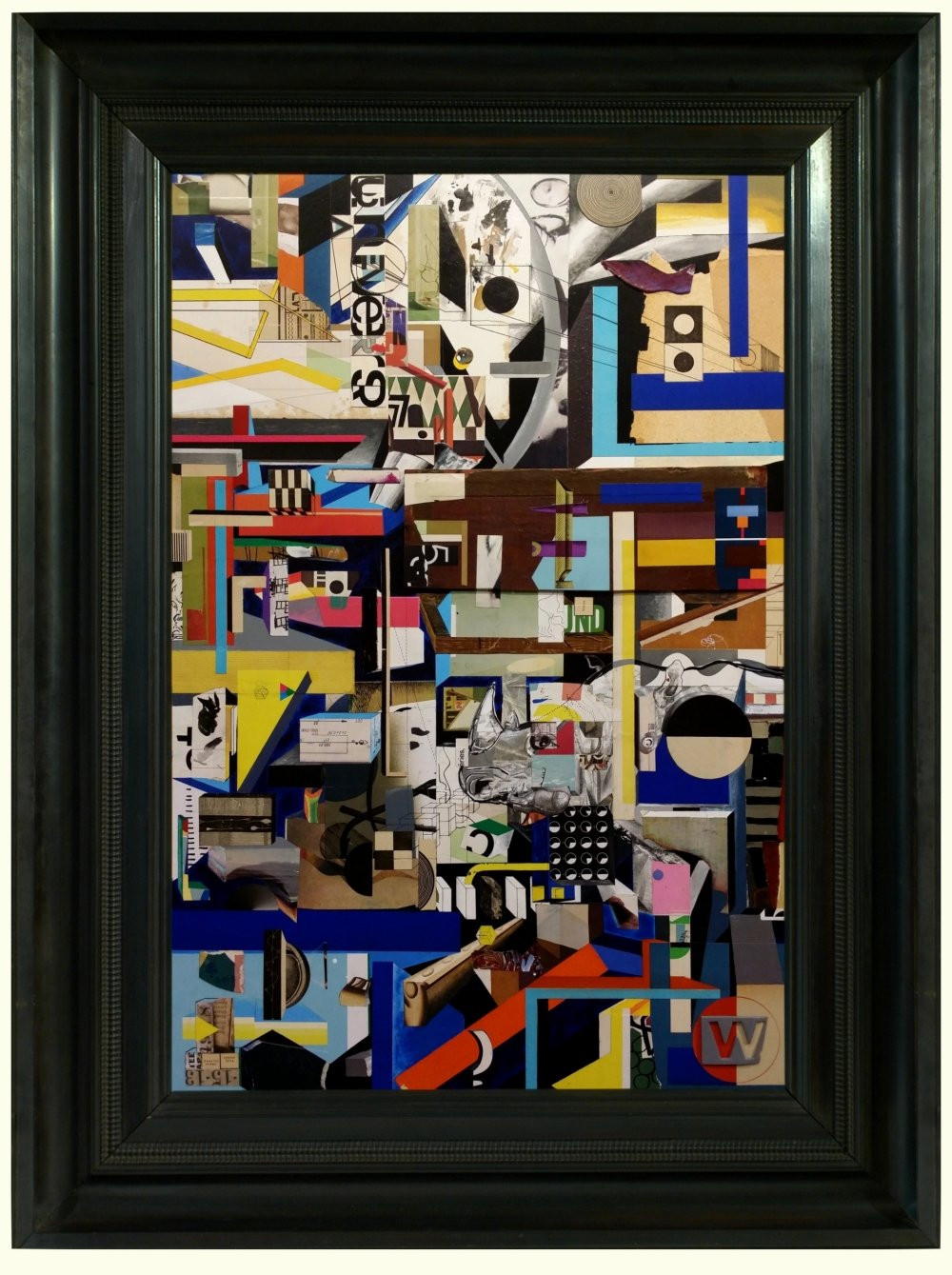
Rainer Maria Rilke
1875-1926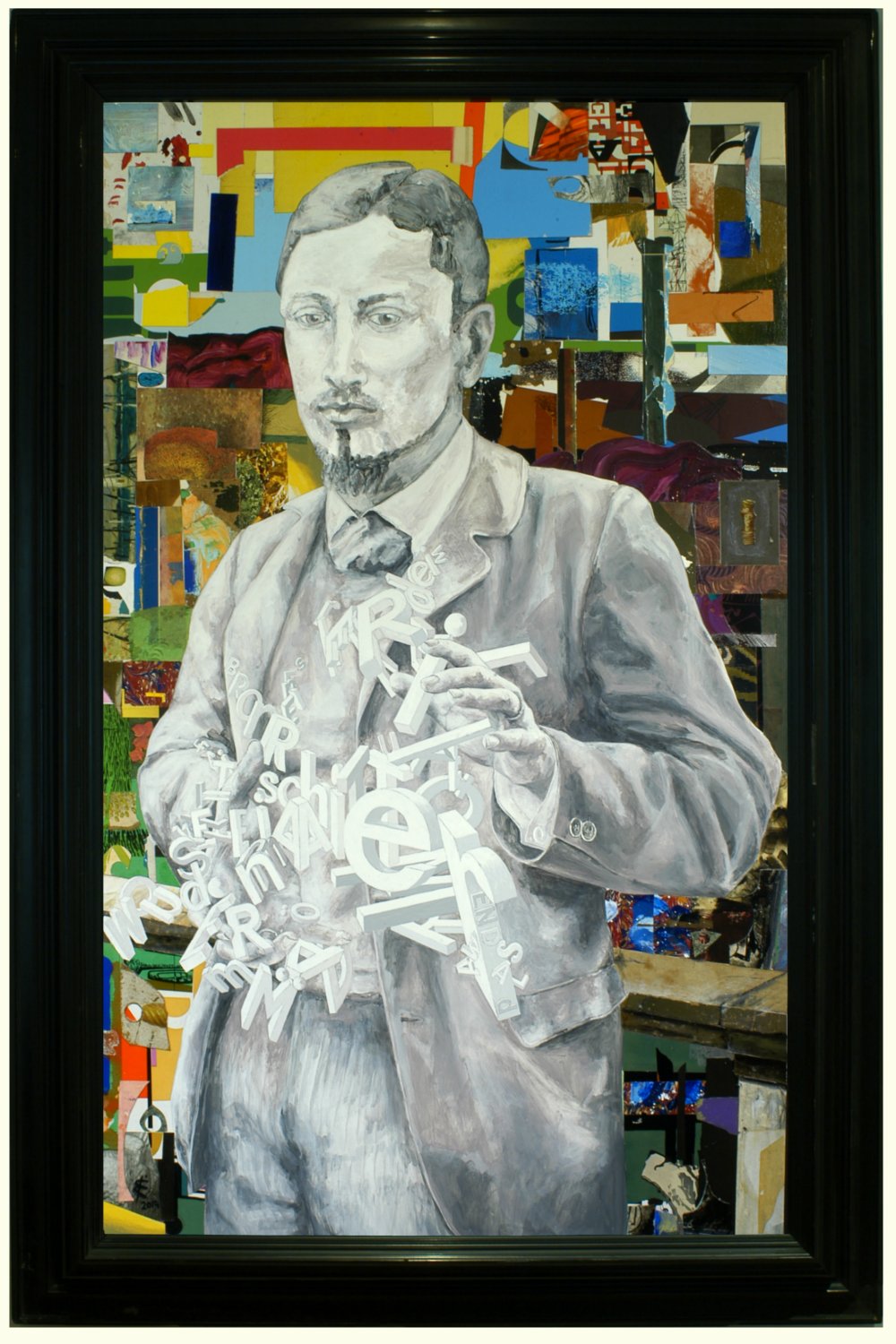
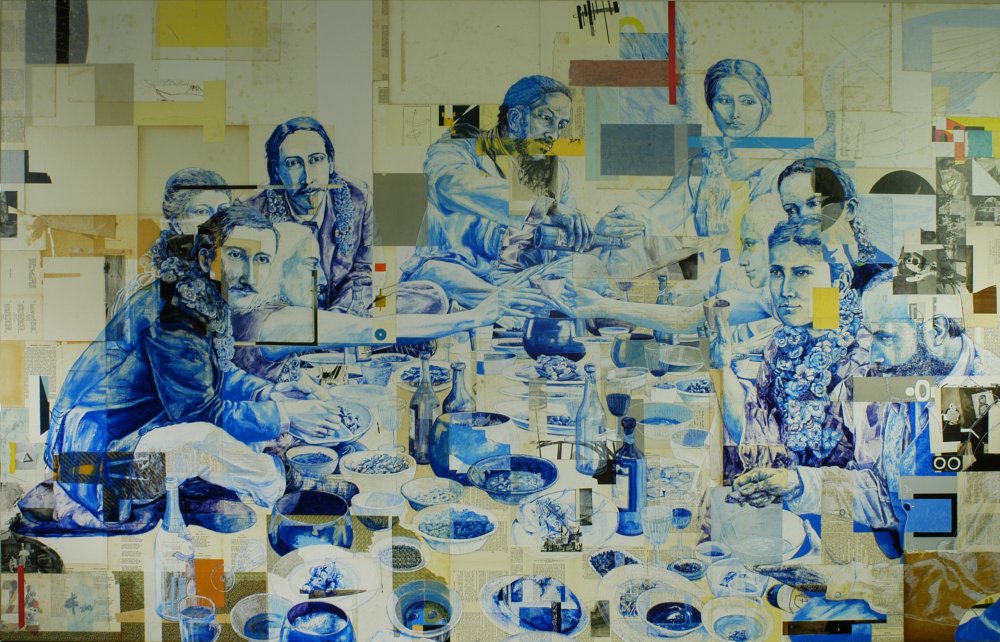
DINNER FOR TEN
Robert Louis Stevenson
1850-1894
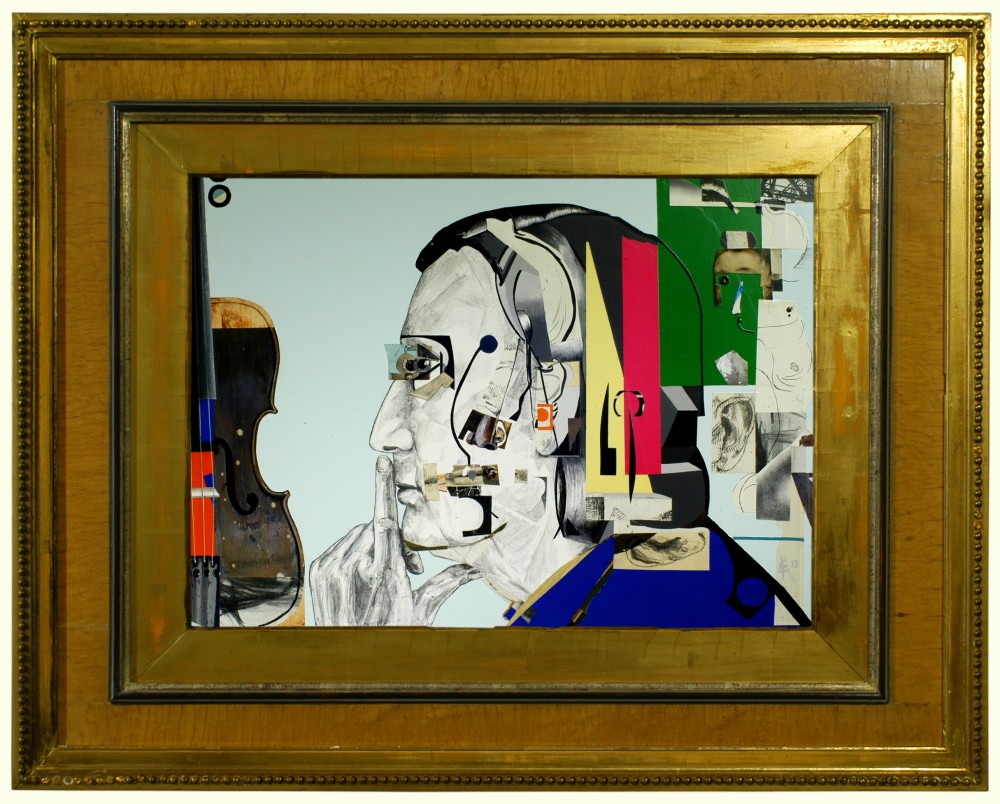
Alfred Garrijevitsj Schnittke
1934-1998
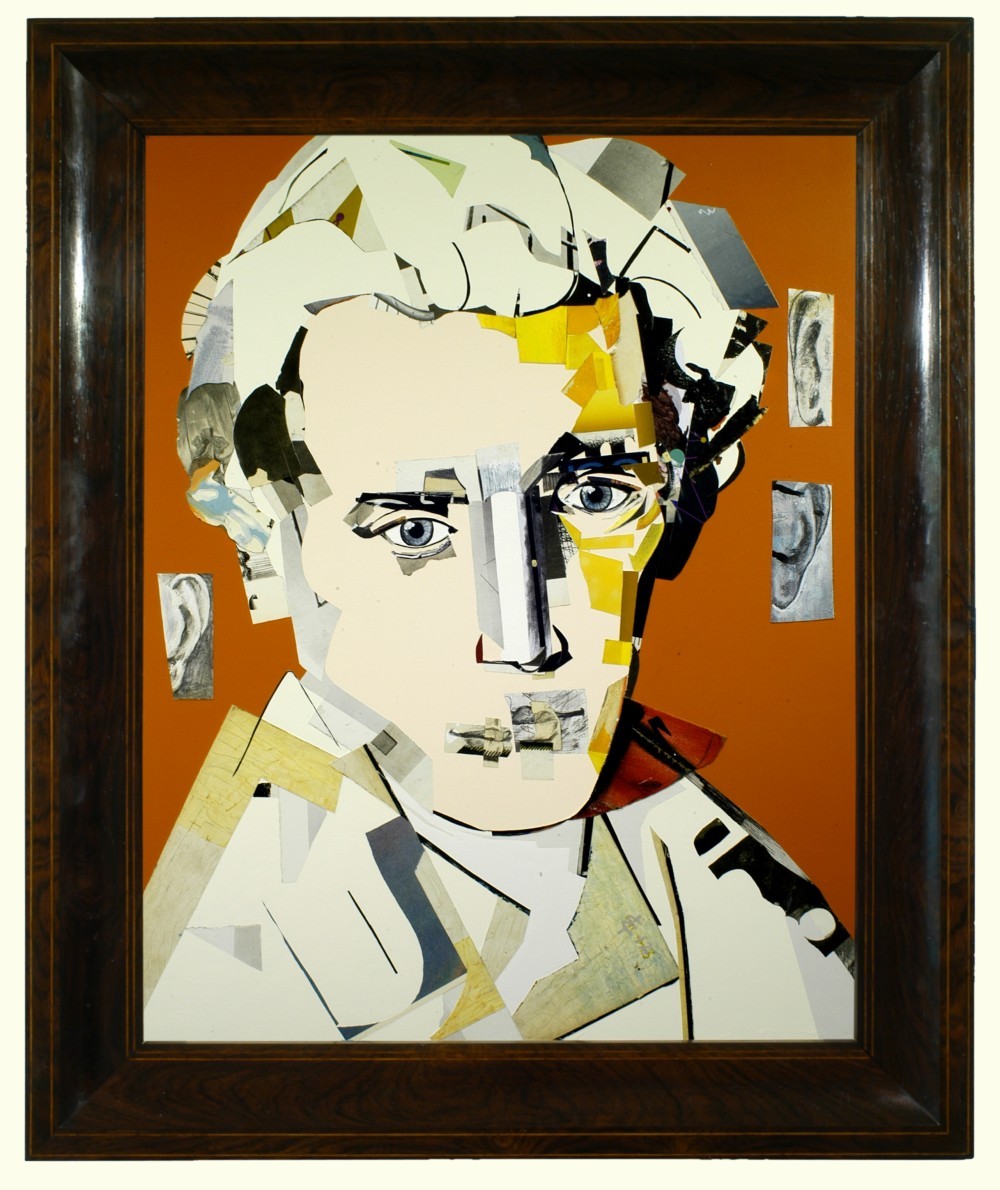
Søren Aabye Kierkegaard
1813-1855
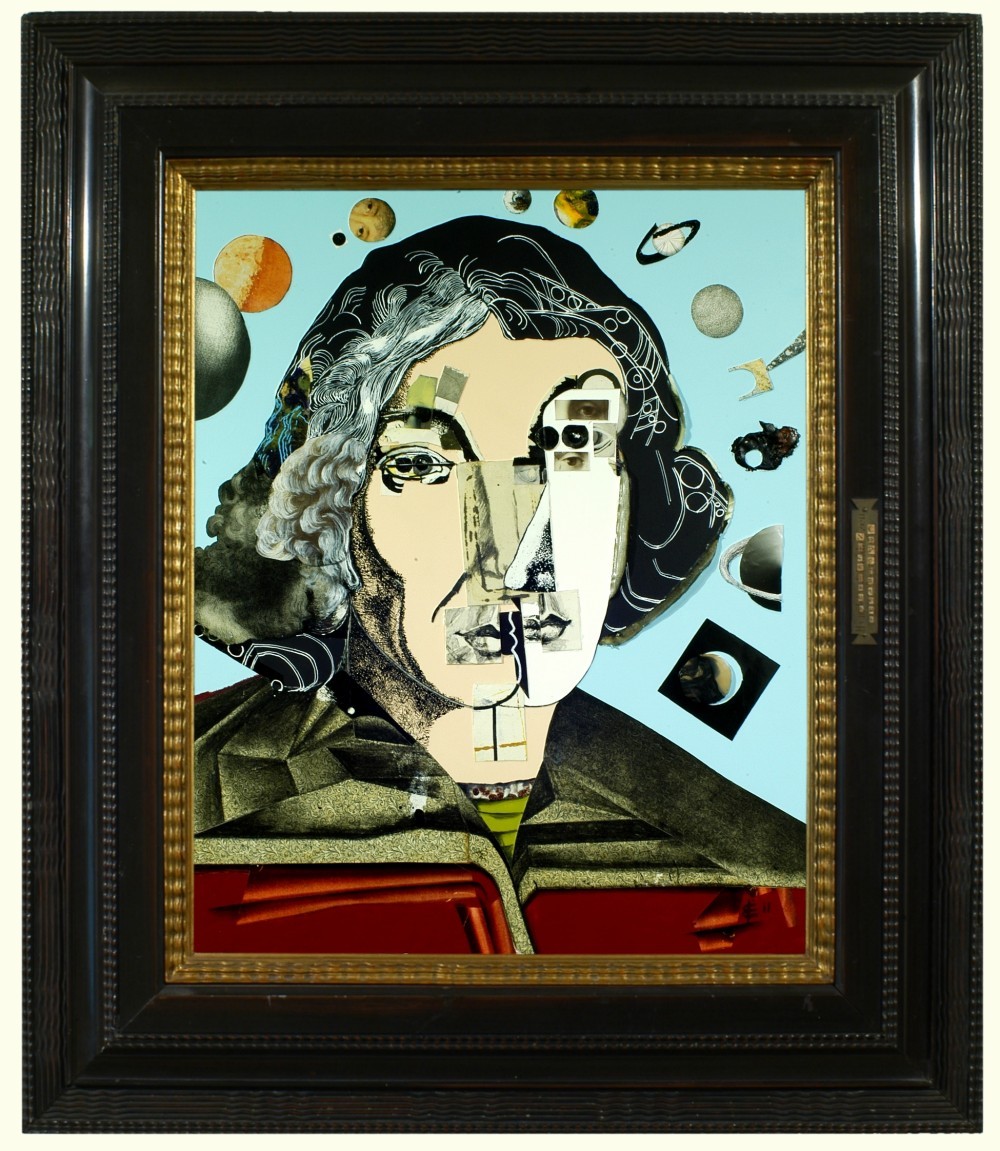
Nicolaus Copernicus
1473–1543
Sir Isaac Newton
1643–1727
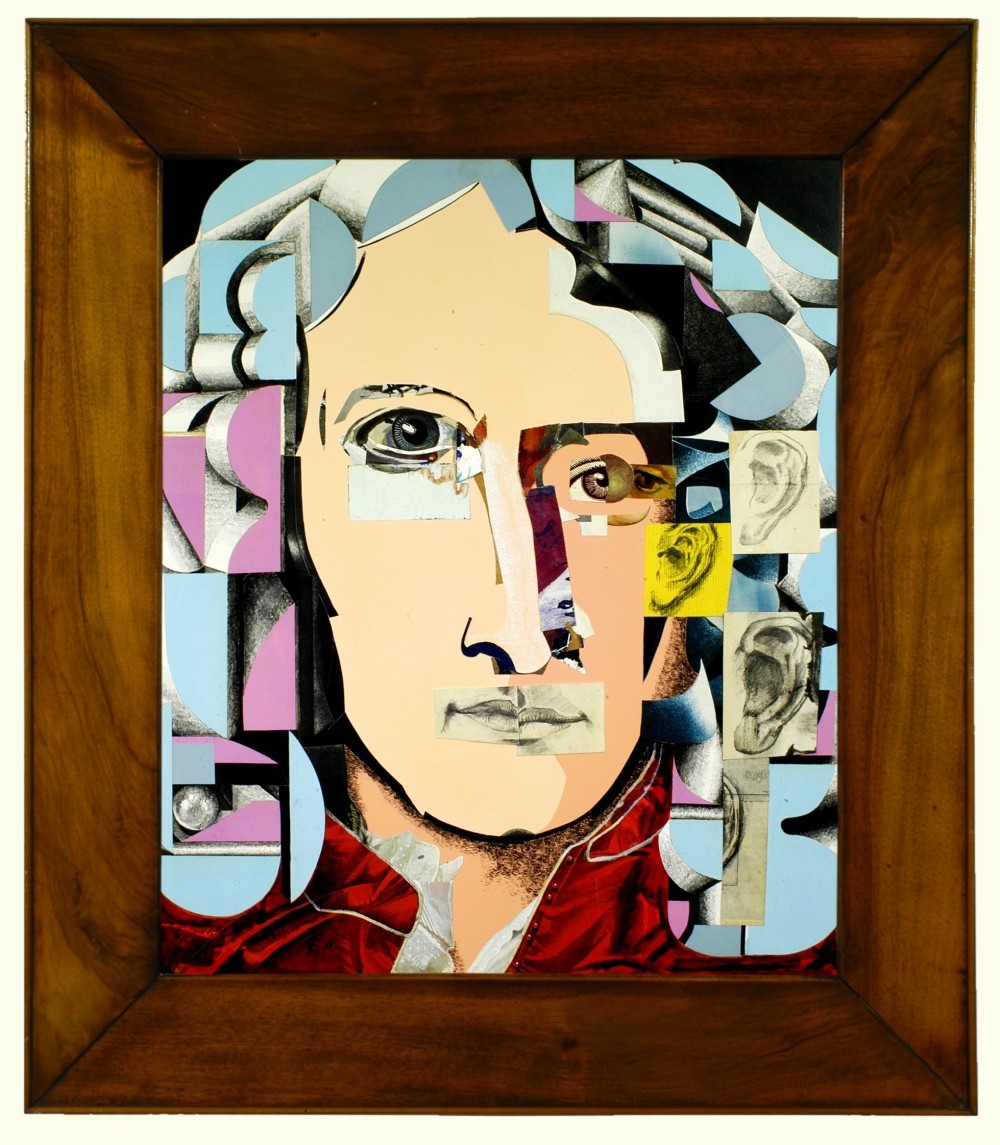
Johannes Kepler
1571-1630
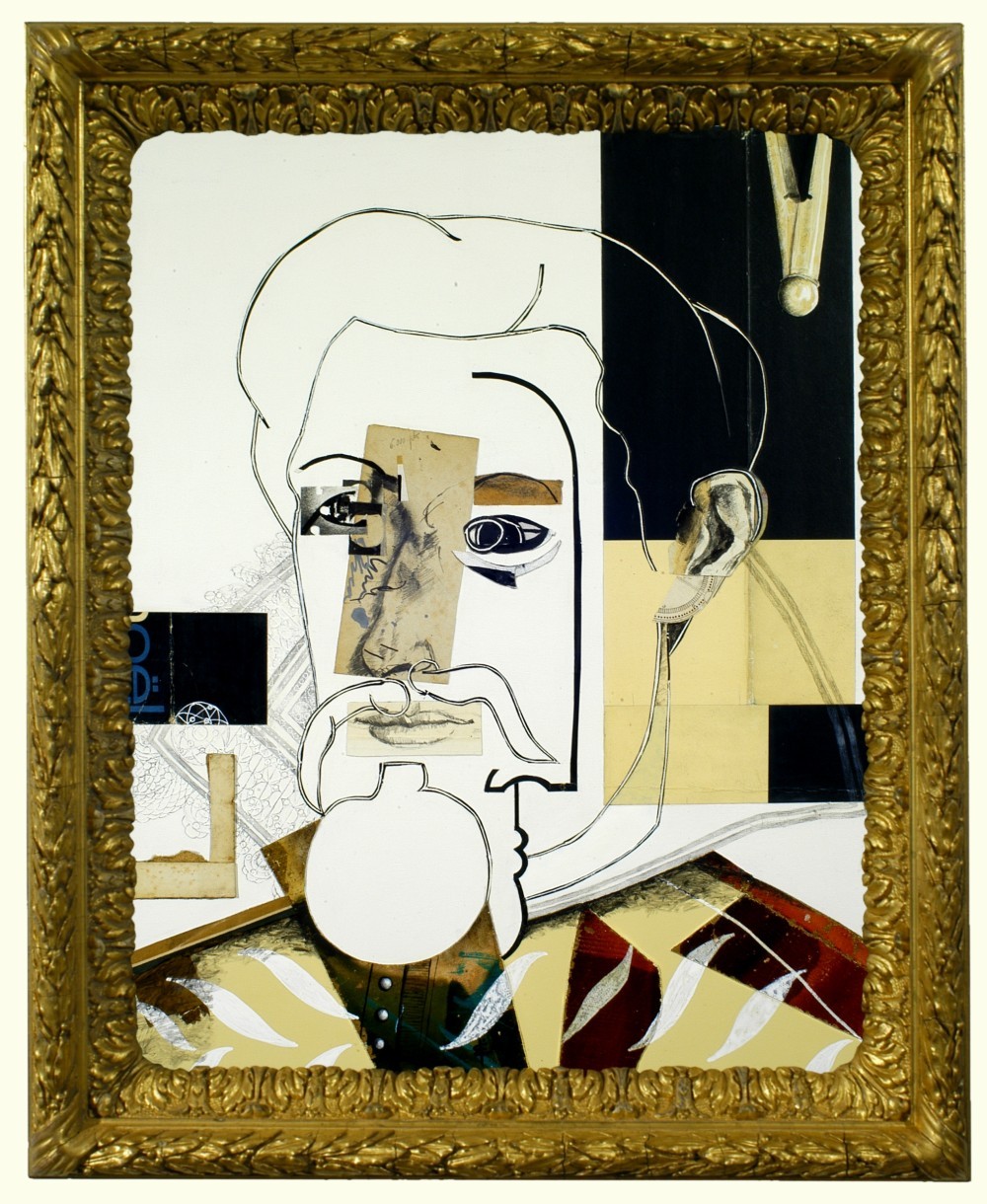
Galileo Galilei
1564-1642
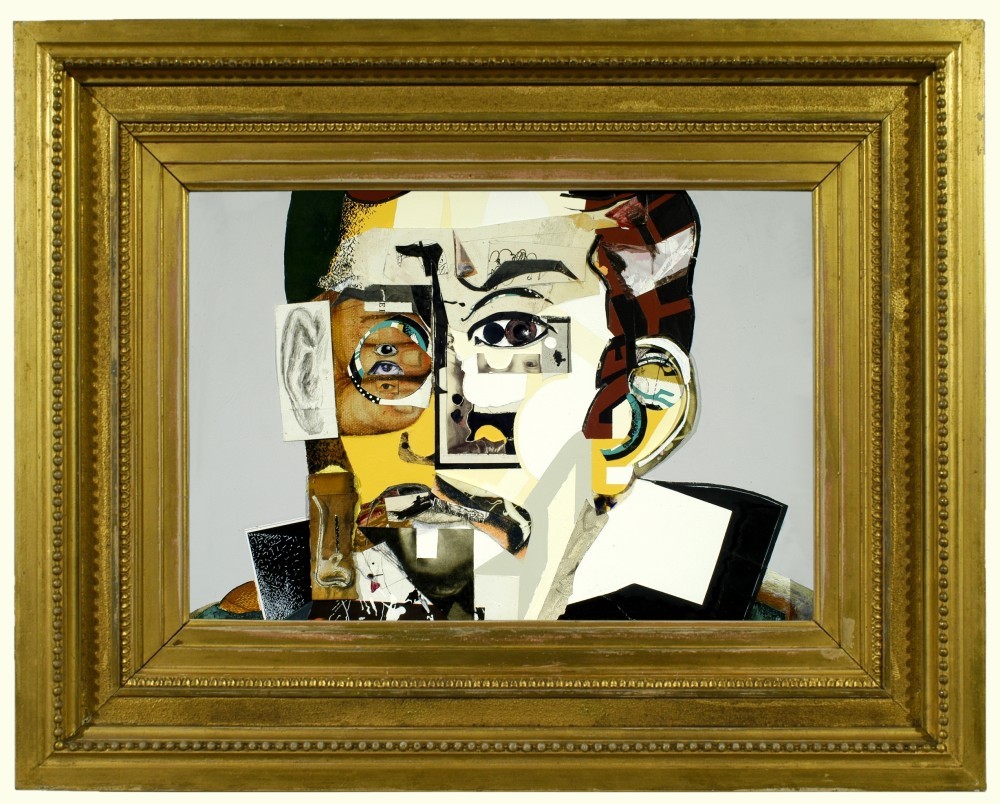
Sergei Sergevevich Prokofiev
1891 – 1953
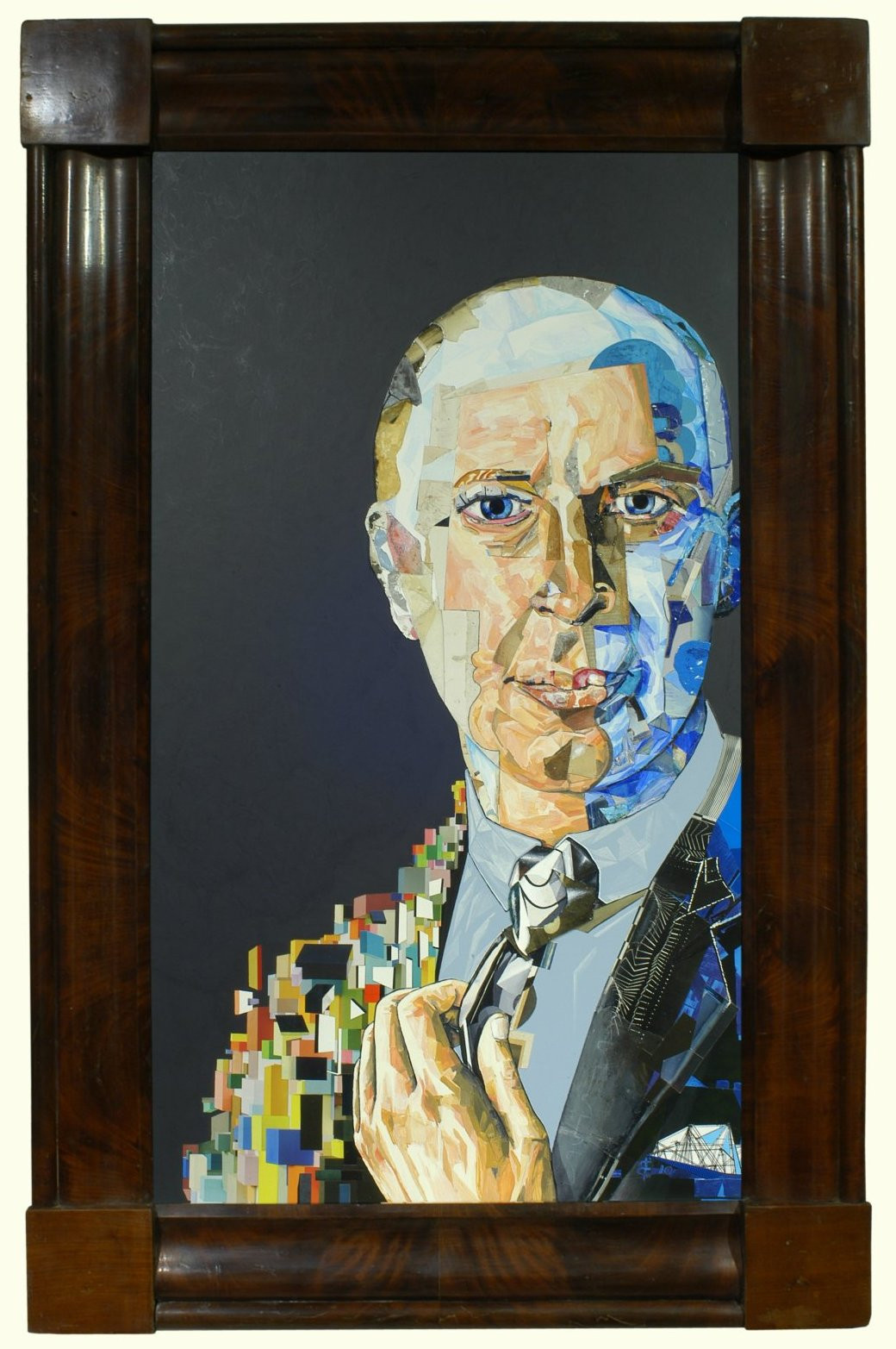
Pieces / Werken 2010-heden
Pieces with a red sticker have been sold.
Werken met een rode stip zijn verkocht.